
Marloe Watch Company
Independent British microbrand making affordable, story-driven mechanical watches inspired by feats of human endeavour.
- Founded
- 2015
- Founder
- Oliver Goffe and Gordon Fraser
- Country
- United Kingdom
- Made In
- Designed in the UK; movements sourced from Japan (Miyota) and Switzerland (Sellita); assembly in the UK workshop per brand statements.
- Price Range
- Accessible
- Stance
- 7 / 10
- Coverage
- 4 products
Member ratings will fold into this score, coming with Loopwheel membership.
Marloe Watch Company was founded in 2015 by Oliver Goffe and Gordon Fraser, taking its name from the Thames-side town of Marlow with a deliberate spelling change for brand independence. The pair launched via Kickstarter with the Cherwell, smashing a £30,000 target to raise roughly £179,000 from 932 backers, and have since grown into one of the more recognisable names in the resurgent independent British watch scene. The brand operates from a workshop near Henley-on-Thames in Oxfordshire (with co-founder Fraser based in Scotland), focuses exclusively on mechanical movements, and structures each collection around a story of human endeavour — the Coniston line, for example, is built around the Campbell family's land- and water-speed record legacy and donates royalties to the Campbell Family Heritage Trust.
Founded 2015 by Oliver Goffe and Gordon Fraser.
Products from Marloe Watch Company
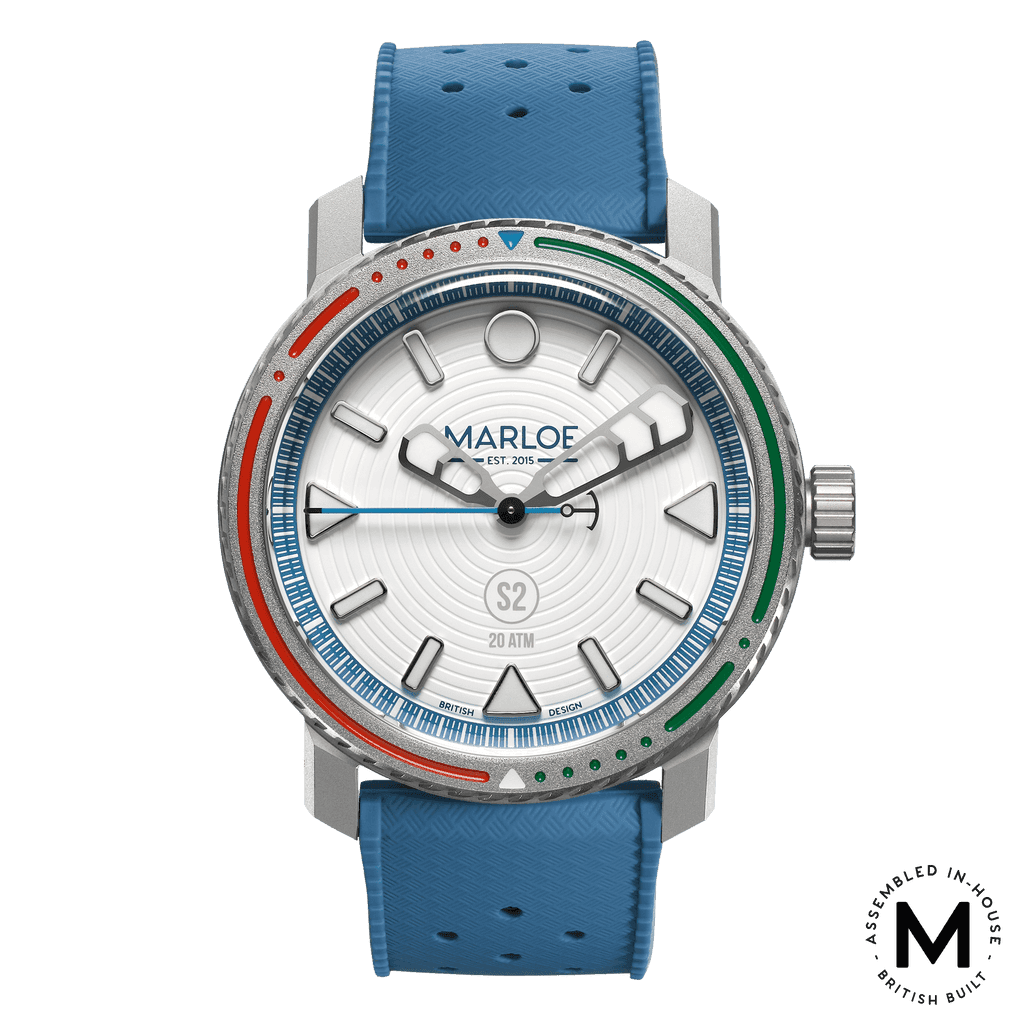
Sceptre S2 - Regatta
Reviewed Jun 2026
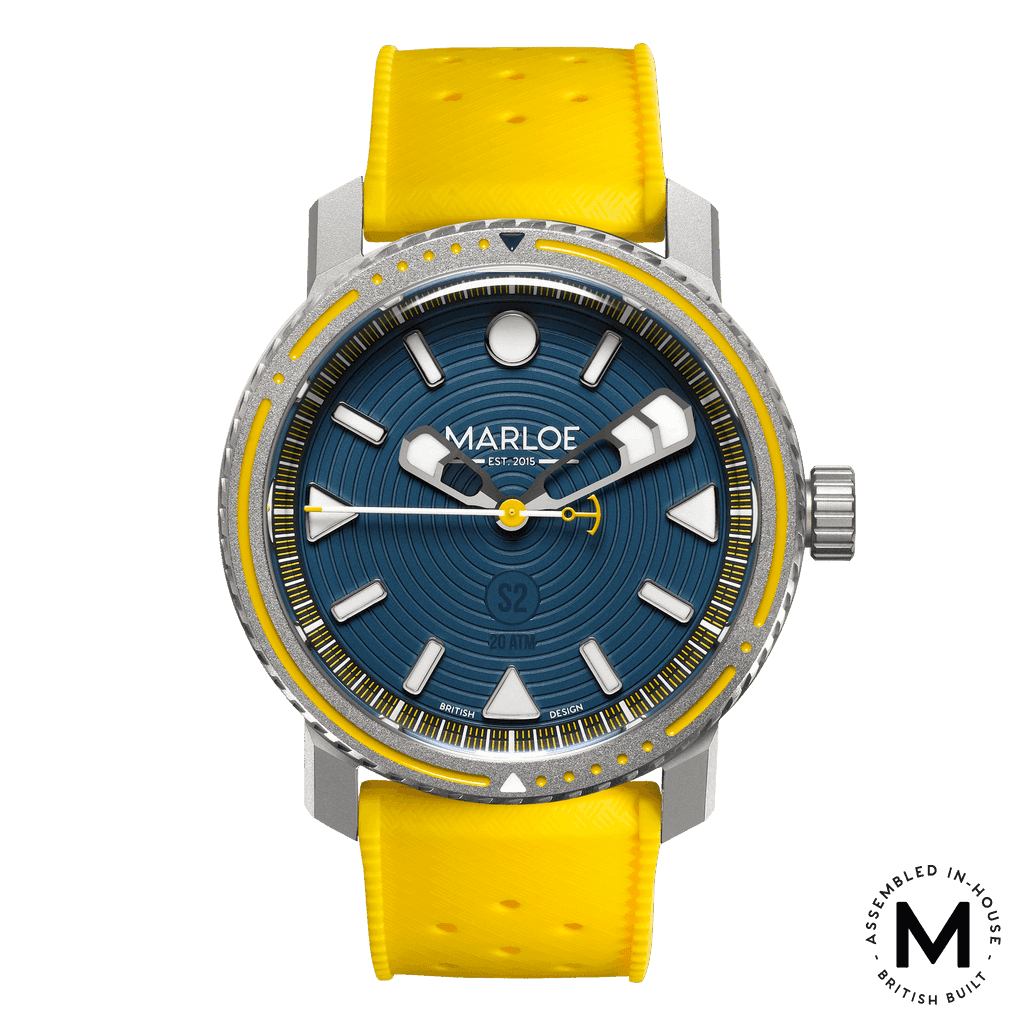
Sceptre S2 - Vault
Reviewed Jun 2026
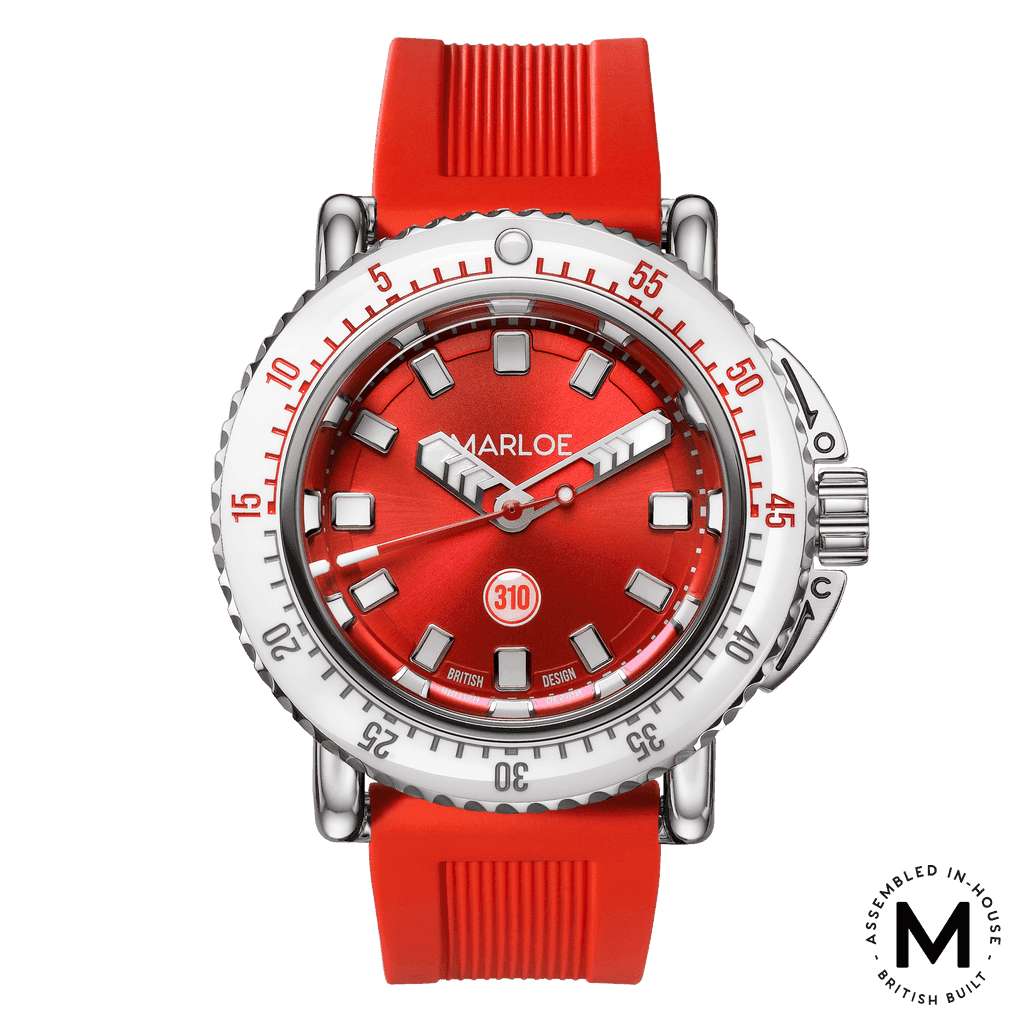
Morar 310 - Port
Reviewed Jun 2026
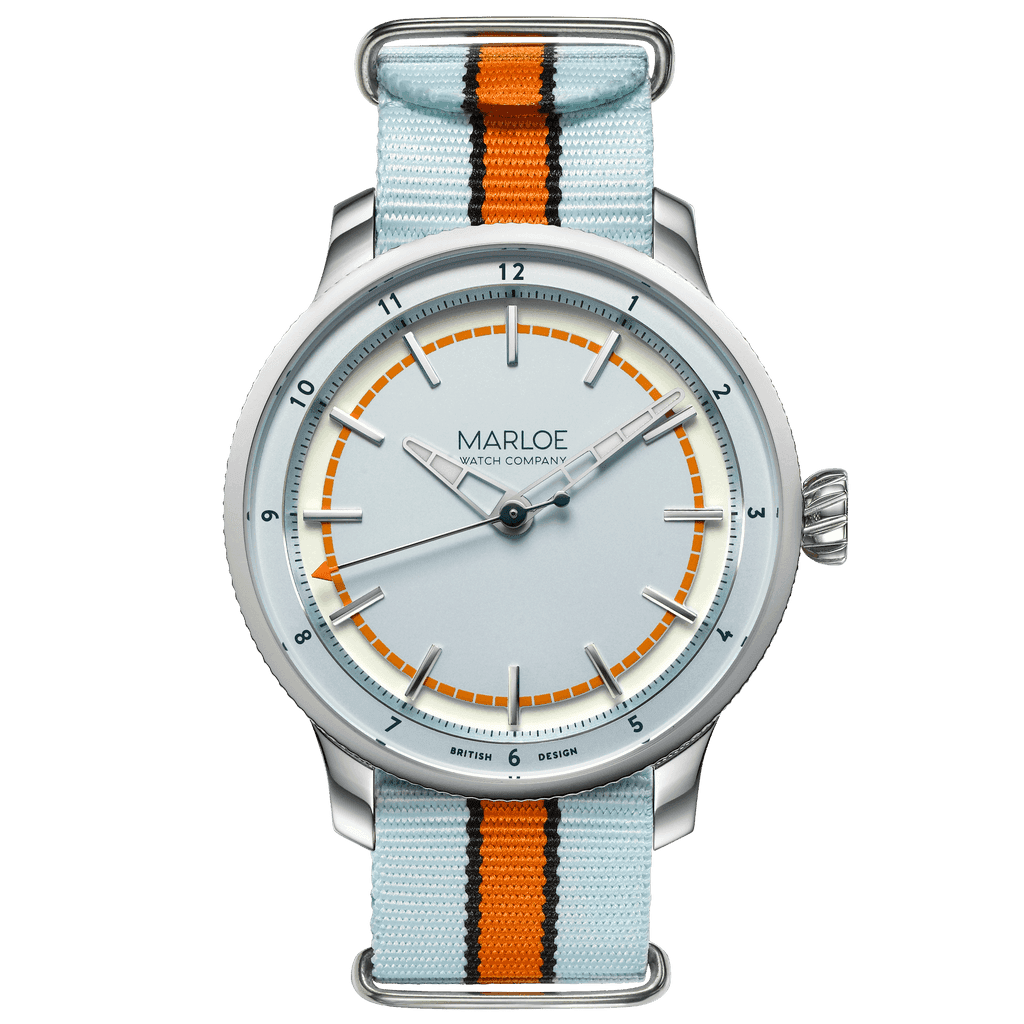
Coniston Auto - Trackday
Reviewed May 2026
// Within the lineup
Consistent catalog — every Marloe Watch Companyproduct sits within 1.5 points of the brand’s 8.3/10 make-quality average. No outlier worth flagging.
Return policy
Standard UK consumer returns apply; brand offers free worldwide tracked DHL delivery and 0% Klarna financing per product pages. Specific return window not extracted — confirm on brand site before purchase.
Is Marloe Watch Company Worth It?
Marloe is worth it, and it isn't particularly close. Across 4 reviewed watches, the brand averages 9.3/10, with the Sceptre S2 Regatta and Coniston Auto Trackday both landing at 9.4. For a mechanical watch with a genuine story behind it, designed in Britain and priced under $530, there are very few places to spend your money better.
Across 4 reviewed watches, Marloe averages 9.3/10, with the Sceptre S2 Regatta and Coniston Auto Trackday leading at 9.4/10 each.
Someone who wants a proper mechanical watch with real character at under $700, without paying Swiss-heritage premiums for a name on the dial.
Marloe is a small operation; availability on specific references can be limited, and the brand's Kickstarter origins mean some buyers will always wonder whether the microbrand model holds up long-term for servicing and parts.
The make
Marloe designs in the UK and is honest about where the movements come from: Miyota from Japan on the more accessible references, Sellita from Switzerland on others. Neither is a secret, and neither should be embarrassing at these prices. Assembly happens in their Oxfordshire workshop. What you get for $499 to $699 is a watch that has been thought about, not just sourced and stickered. The Coniston line, built around a story of human endeavour on water, is a good example of how the brand uses narrative without it feeling like marketing copy.
The value
The Sceptre S2 Vault comes in at $499 and scores 9.3. The Coniston Auto Trackday sits just under $499 and scores 9.4. The Morar 310 Port, the most expensive piece we reviewed at $699, scores 9.1, which means spending more doesn't cost you anything in terms of what you get. That's a tight, honest lineup. You're not subsidising a boutique on Bond Street or a celebrity ambassador. You're paying for the watch.
The context
The resurgent independent British watch scene has produced a handful of brands worth taking seriously, and Marloe is near the top of that list. They launched via Kickstarter in 2015, raised roughly £179,000 against a £30,000 target, and have built a recognisable name since. That origin story matters less than the scores, but it does tell you something about who was paying attention early. If you're cross-shopping in this price range, the question isn't whether Marloe is good. It's whether a different brand at the same money gives you more watch. Most don't.
Marloe describes itself as a British designer and producer of mechanical watches based near Henley-on-Thames, with watches built in-house at their Oxfordshire workshop per the brand's homepage. Movements are sourced externally — the Coniston Auto uses a Japanese Miyota 8N24 automatic, while higher-end models like the Haskell use Swiss Sellita movements. Some third-party coverage (Ape to Gentleman) describes assembly as Swiss-based, so the exact split between UK assembly and overseas partners is not fully clarified in public sources.
Marloe positions mechanical watches as inherently long-lived objects designed to be opened, serviced, and passed on, and runs a Marketplace program for refurbished trade-ins, but publishes no formal sustainability certifications or carbon/material commitments.
Ranked by archetype overlap, editorial stance, price tier, and ethos — not just “same archetype, three random.”
Farer
British-designed, Swiss-made mechanical watches that put colour and personality back into classic horological archetypes.
Wax London
A London-based fabric-first menswear label making characterful, accessible clothing that blends British heritage with Mediterranean sensibility and Indian craftsmanship.