Portuguese Flannel
A fourth-generation Portuguese textile family making honest, beautifully crafted shirts from the mills of northern Portugal.
- Founded
- 2014
- Founder
- António and Manuel Magalhães
- Country
- Portugal
- Made In
- Guimarães, Portugal
- Price Range
- Accessible
- Stance
- 7 / 10
- Coverage
- 37 products
Member ratings will fold into this score, coming with Loopwheel membership.
Portuguese Flannel is the consumer-facing label of a family textile business that traces its roots to 1935, when João Magalhães opened Textil Vizela in the hill towns of northern Portugal. Brothers António and Manuel Magalhães — the fourth generation — launched the brand to bring those same fabrics and craft traditions directly to a global audience, without the intermediary. Every shirt is made in and around Guimarães, a city synonymous with Portuguese textile production, using fabrics sourced from the family's own mills and archive that stretches back nearly a century. The brand doesn't chase trends. Its reference points are the fishermen and mountain workers of the Portuguese coast and interior — people whose clothes needed to last. That ethos shows up in the fabric choices (dense cotton weaves, brushed flannels, textured piqués) and in a design language that is quietly distinctive without being loud about it. The result is a shirt brand with genuine provenance, accessible pricing, and a point of view that holds up season after season.
Founded 2014 by António and Manuel Magalhães.
Products from Portuguese Flannel

Embroidery Flannel - Almond
Reviewed Oct 2026

Corduroy Trousers - Race Red
Reviewed Sep 2026

Corduroy Trousers - Olive
Reviewed Sep 2026

Lobo Corduroy Shirt - Ecru
Reviewed Sep 2026

Lobo Corduroy Shirt - Green
Reviewed Sep 2026

Lucia
Reviewed Sep 2026

Montebelo - Blue
Reviewed Sep 2026
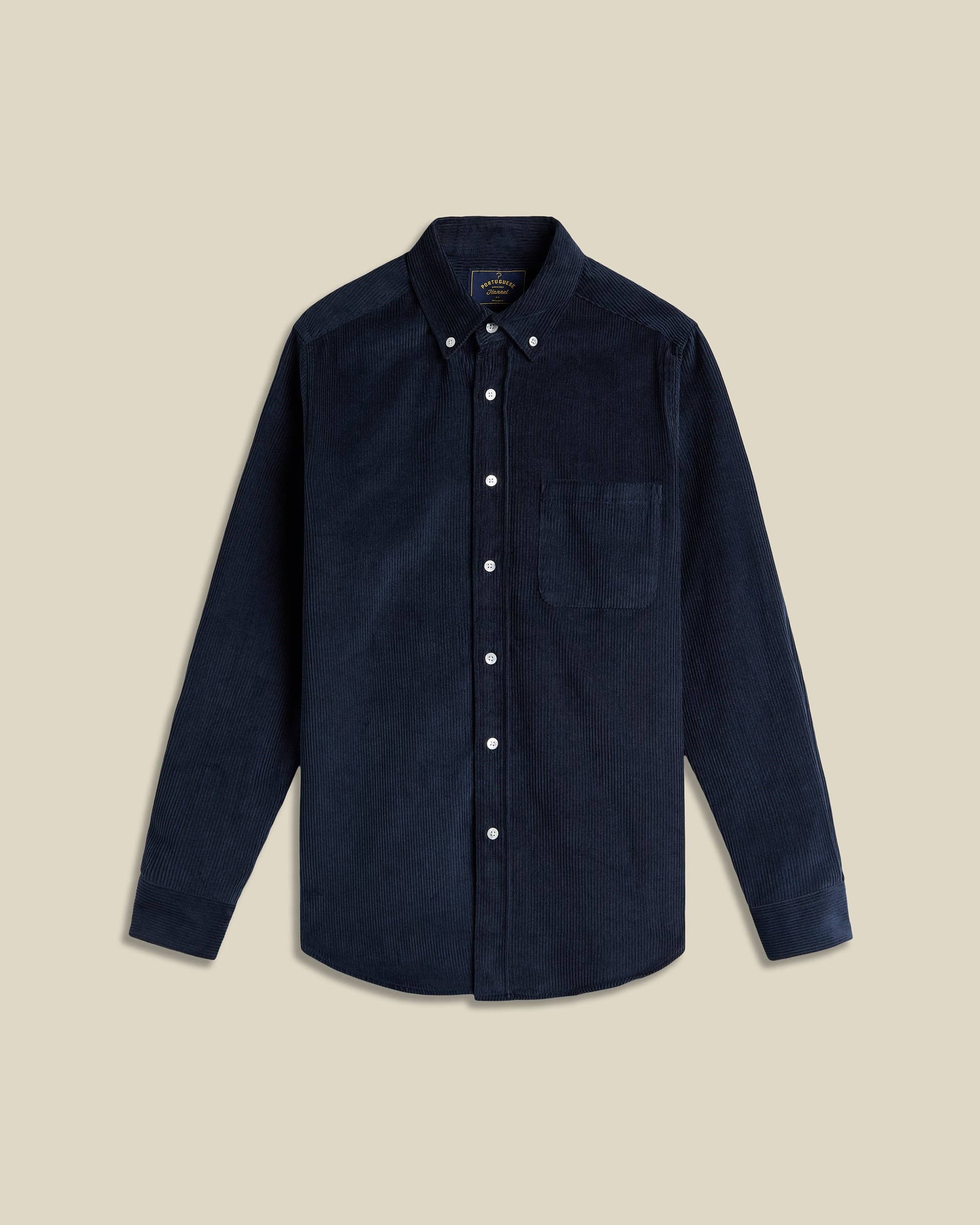
Lobo - Navy
Reviewed Sep 2026
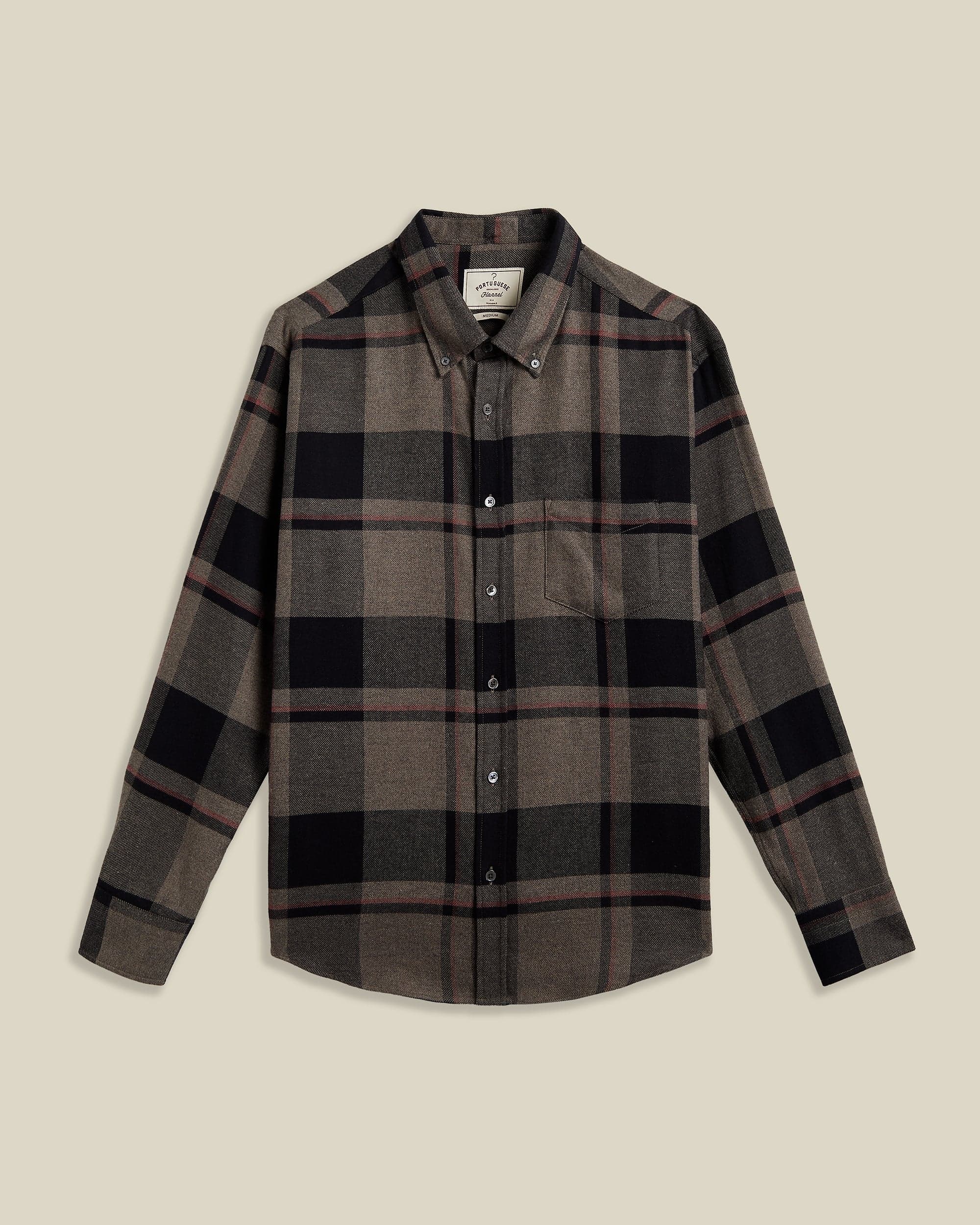
Lumen Oversized Shirt
Reviewed Sep 2026

Lumen - Relaxed Fit
Reviewed Sep 2026
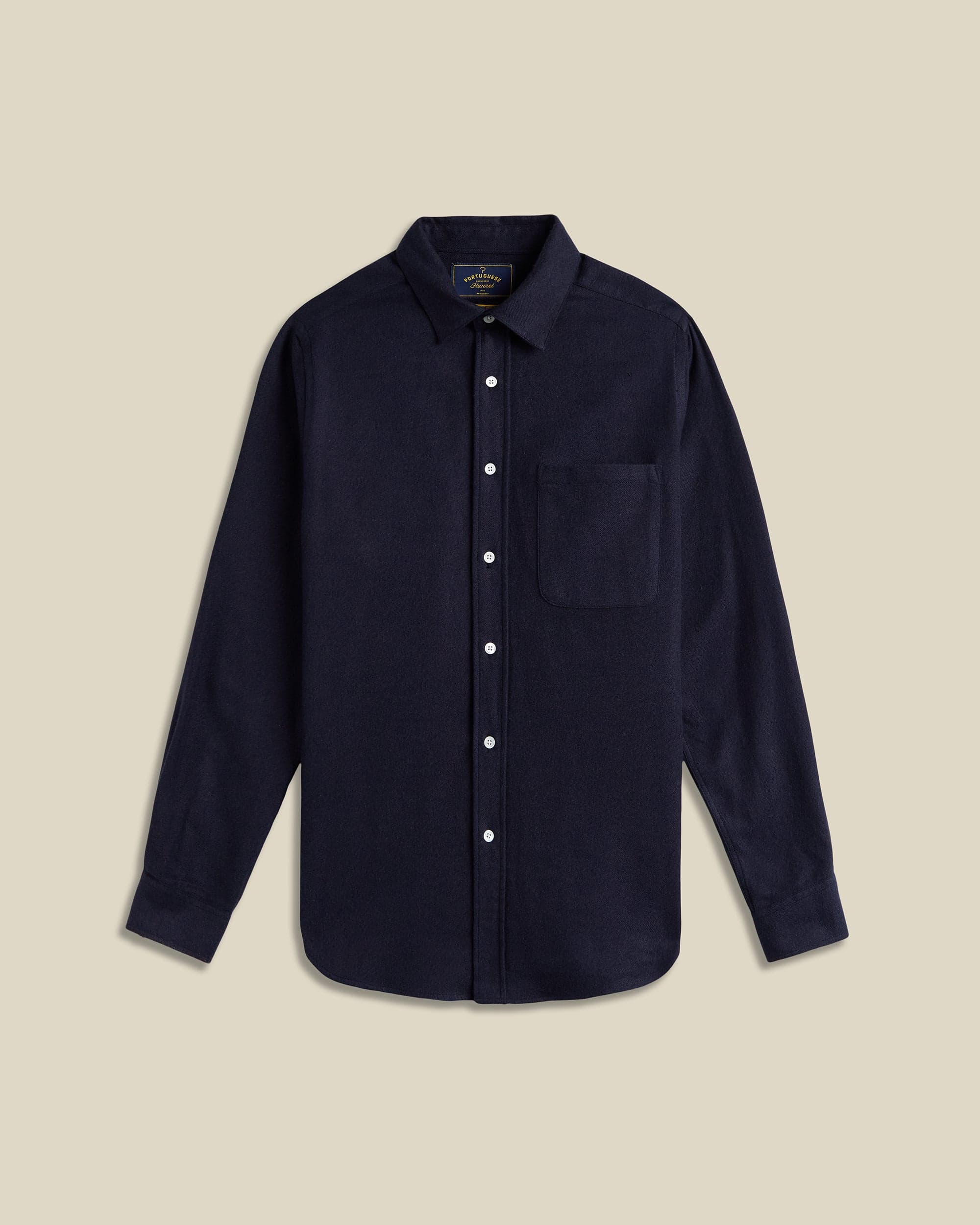
Teca - Navy
Reviewed Sep 2026

Wool Field Overshirt - Grey
Reviewed Sep 2026
// Within the lineup
Consistent catalog — every Portuguese Flannelproduct sits within 1.5 points of the brand’s 7.0/10 make-quality average. No outlier worth flagging.
Return policy
14-day returns for full refund or exchange on website orders; items must be unworn and in original condition with tags attached.
Sale cadence
- Seasonal pre-sale codes (SS · Jan/Feb, AW · Jul/Aug): 30% off via codes like PRESALESS25, PRESALEAW24, PRESALEAW25; effectively a pre-order discount on the incoming collection rather than markdowns on existing stock.
- End-of-season markdowns at stockists, not direct: outerwear and shirts hit 40-55% off at L'Exception, Number Six, Porterhouse, HIP after each season; the brand's own site rarely runs equivalent sitewide markdowns.
- Black Friday: historically light; one BLACK30 code observed in Dec 2019, no consistent BF/Cyber Monday activity tracked in recent years.
- No regular EOSS on portugueseflannel.com: full-price posture on the brand's own DTC; deepest direct discounts arrive as the pre-season codes above.
Next sale (predicted)
July 15, 2026· 5/10 confidence
Is Portuguese Flannel Worth It?
Yes, and it's not particularly close. Across 37 scored pieces, Portuguese Flannel averages 8.2/10, with the Agora Knit Shirt leading at 9.1. For shirts made in a fourth-generation family mill in Guimarães, at prices that rarely crack $200, that's a hard combination to argue against. Worth it for anyone who wants proper shirts without paying the premium that comes with a French or Italian label on the tag.
Across 37 scored pieces, Portuguese Flannel averages 8.2/10, with the Agora Knit Shirt in Pastel Blue leading the lineup at 9.1.
The guy who wants well-made shirts with real textile heritage behind them, at prices that don't require a justification conversation with himself.
The range is wide and the brand releases frequently; not every piece hits the same standard, so buying blind on a new drop carries more risk than sticking to the proven cuts.
The make
Portuguese Flannel is the consumer label of a textile family whose mills go back to 1935. Brothers António and Manuel Magalhães are the fourth generation running the operation, and every shirt is made in and around Guimarães using fabrics sourced from the family's own archive. That's not marketing copy; it's a genuinely short supply chain. The fabric quality reflects it: the Conimbriga and Summer Boucle both scored 8.8, and the construction on the top-tier pieces shows the kind of considered finishing you'd expect from a mill that has been doing this for nearly a century.
The value
The Agora Knit Shirt at $177 and the Piquet Stripe at $163 are the clearest arguments for the brand. You're getting Portuguese mill fabric and Guimarães construction at prices that sit comfortably below what a comparable Italian-made shirt would cost. The Dots in Navy at $269 is the outlier in the lineup price-wise, and it's worth scrutinizing before you buy. But across the range, the price-to-construction ratio is honest in a way that a lot of brands at this tier aren't.
What to buy
Start with the Agora Knit Shirt if you want the single best thing the brand makes right now, a 9.1 is a score we don't hand out casually across 37 pieces. The Conimbriga and Summer Boucle are equally strong at 8.8 and represent the brand's core identity well: fabrics with real character, cuts that don't overcomplicate things. The Piquet Stripe at $163 is the lowest-risk entry point if you're buying for the first time.
Per the brand's About page, shirts are "manufactured by master craftsmen in the old towns of northern Portugal" using exclusive, traditionally produced fabrics. Multiple stockists (No Man Walks Alone, Little America Store, Cooshti) specify that production is concentrated in and around the city of Guimarães in northern Portugal, the historic center of Portuguese textile manufacturing. The brand does not publicly name the specific factories or mills it works with on its website.
Production is concentrated in and around Guimarães in northern Portugal, using fabrics from local mills, but no third-party certifications (B Corp, GOTS, OEKO-TEX, Fair Trade) or published audit data were identified in public sources.
Ranked by archetype overlap, editorial stance, price tier, and ethos — not just “same archetype, three random.”
Wax London
A London-based fabric-first menswear label making characterful, accessible clothing that blends British heritage with Mediterranean sensibility and Indian craftsmanship.
Drake's
East London haberdasher turned full menswear house, built on 'relaxed elegance' and a genuine manufacturing heritage.